
Introduction
Ever felt like picking the right SaaS pricing models is a bit like solving a puzzle without all the pieces? You’re not alone. Setting your software price involves more than math because it requires knowledge of customer requirements and market strategies that support both business growth and valuable software delivery. This blog uses simple explanations alongside accessible examples and Software as a Service pricing model examinations to deliver practical knowledge that can accelerate your business growth.
Understanding SaaS Pricing Models
The SaaS pricing model establishes the fundamental structure through which your business connects with clients. Your subscription method must match your customer value-perception for any plan you provide which includes subscription or pay-as-you-go or free basic options. Let’s take a closer look.
Factors to Consider Before Choosing a Pricing Model
Your Software as a Service business structure relies fundamentally on your pricing structure. When you get your pricing model right you position your business for long-term achievement. Here’s what to keep in mind:
- Customer Personas: SaaS professional services can help you decide which customers you intend to serve while understanding what matters most to them. Your target audience can consist of predictable enterprise customers alongside flexible startup businesses. When you define your customer personas effectively you can customize your pricing structure.
- Value Proposition: Do your software products help users streamline operations and minimize expenses or press performance boundaries? Your pricing must represent the meaningful changes your solution delivers to customers.
- Competitor Benchmarking: The concept of value remains superior to every price reduction strategy no matter how tempting such competition might seem.
- Scalability: Does your pricing structure factor in your customer’s expanding requirements? A model that evolves gracefully does not require frequent changes.
- Market Trends: Monitor market trends which include flexibility options and bundle packages and usage-based price strategies. This is especially important during Software as a Service implementation.
The Core of SaaS Pricing Models
1. SUBSCRIPTION PRICING
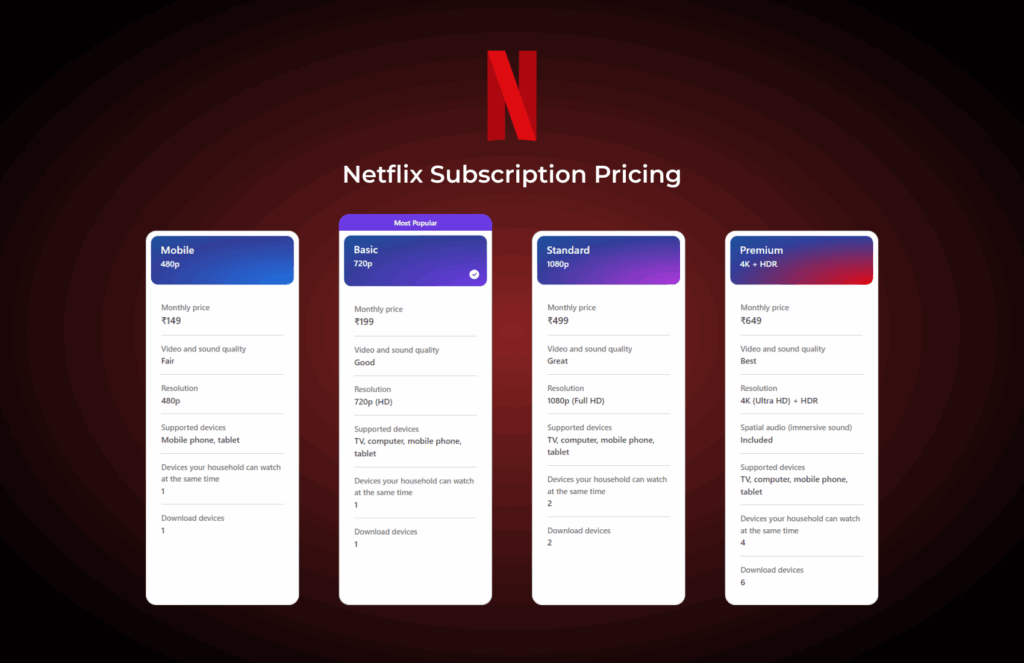
Subscription pricing remains the primary pricing model behind virtually all Software as a Service venture. This sales method delivers predictable results with scalable features which work directly toward recurring revenue targets. Customers pay set subscription charges either monthly or quarterly or annually to retain regular access to software products.
Netflix Subscription Pricing
Tiered Pricing Strategies
The power of subscription pricing often depends on different pricing levels built into its models. Companies distribute their products into Basic, Standard and Premium formats to meet the preferences of their diverse customer groups. SaaS professional services provide effective tiered pricing whose main target remains to establish precise value distinctions that let customers instantly recognize the plan level suitable for them.
Add-Ons and Upselling Opportunities
To maximize revenue through Software as a Service subscription models businesses should explore the opportunities that aftermarket modules provide. Customers’ lifetime value rises when organizations sell advanced analytics alongside premium support as well as integration features.
2. PAY-AS-YOU-GO PRICING
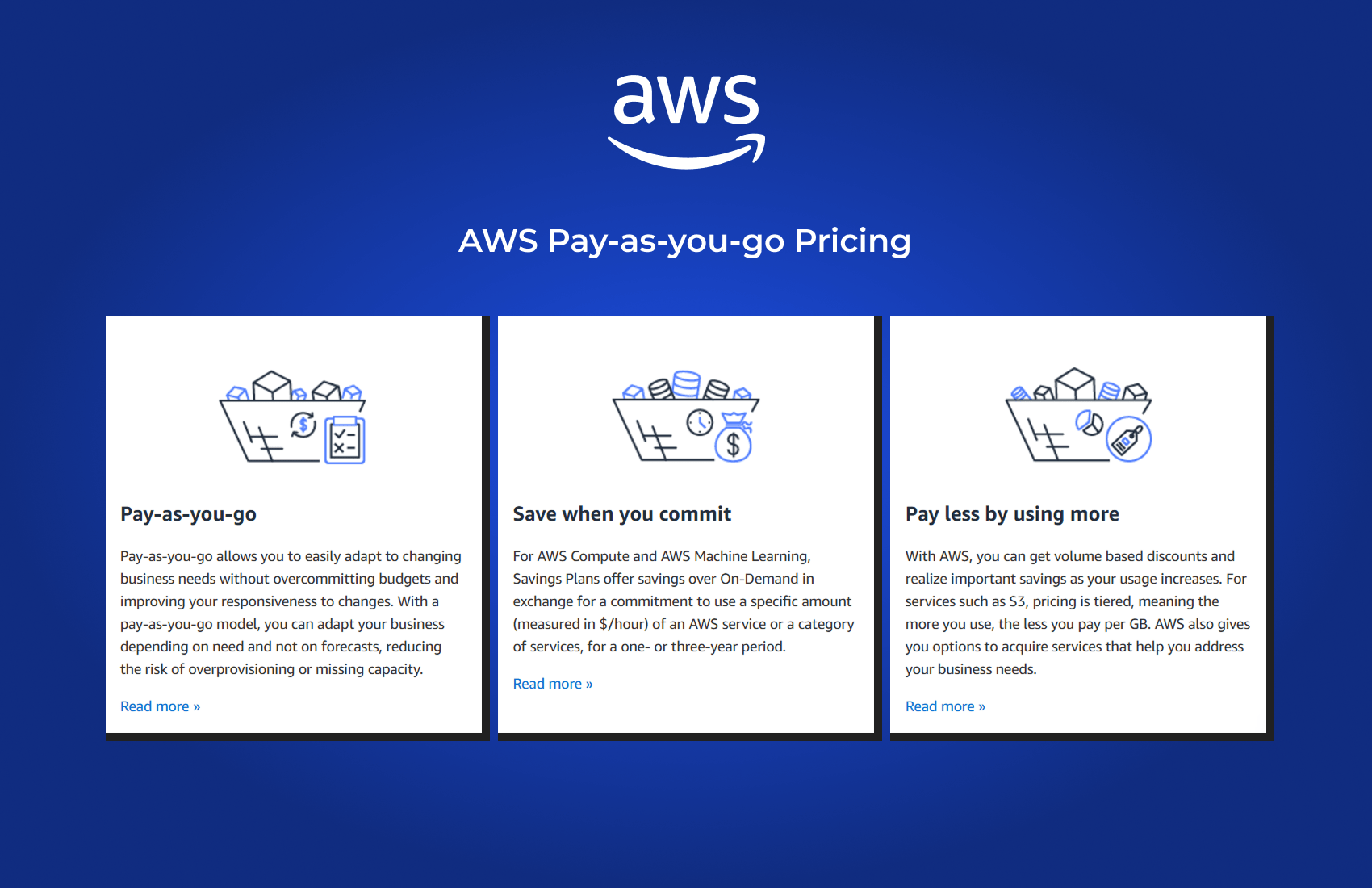
Pay-As-You-Go pricing provides flexible payment options which attracts customers who experience changing usage requirements. Consumption-based pricing or this model offers billing that aligns with customer product consumption levels.
AWS Pay-as-you-go Pricing
Implementation Considerations
While attractive, this model requires robust infrastructure for tracking and billing usage. Transparency in reporting usage metrics is crucial to build trust with customers. Leveraging SaaS professional services, you can simplify the implementation process.
Why It Works:
- Scales with Customer Growth: A systemic feature of Pay-As-You-Go pricing structures enables customer growth to correspond directly with payment increases. The revenue growth of SaaS providers directly reflects user operation scaling and service usage intensity. A relationship forms naturally because both parties gain benefits through cooperative expansion.
- Low Initial Cost Attracts Startups: The Pay-As-You-Go pricing method makes it easier for companies to begin service because it omits upfront subscription fees. Pay-As-You-Go emerges as an attractive option for beginner businesses because it supports minimal initial funding requirements when they examine software value.
- Encourages Efficient Use of Resources: Service billing occurs solely based on usage thus users adopt efficient resource utilization. For instance, cloud providers like AWS thrive on this model by allowing customers to optimize their usage of computing resources, which directly translates into cost savings.
Challenges:
- Unpredictable Revenue Streams: Software as a Service implementation of Pay-As-You-Go models comes with revenue streams that are unpredictable. Difference between subscription models that generate repetitive payments leads to unpredictable month-to- month usage-based revenue which makes effective budget planning difficult.
- Higher Churn Risk: People tend to withdraw from service or use it less when fees increase because of their elevated consumption amounts. Users may experience bill shock from unexpected usage cost increases which can create dissatisfaction. Companies must maintain transparency in their reporting combined with usage alert systems and cost optimization tools to continue building user trust.
- Complex Infrastructure Requirements: Precise monitoring and tracking needs advanced management tools for correct usage reporting when implementing a Pay-As-You-Go model. Operational hardships combined with reduced customer trust emerge when billing errors happen or when companies lack transparency.
3. FREEMIUM PRICING
Through freemium strategy businesses attract new users by providing complimentary products to test before purchasing. The goal is to showcase value and convert users into paying customers over time.
Slack Freemium Pricing

Best Practices for Freemium Success
- Clear Value Wall: Define where the free tier ends and the premium features begin. Slack, for example, limits message history and integrations in its free plan, encouraging upgrades for growing teams.
- Low Conversion Rates: Understand that only a small percentage (typically 2-5%) of Freemium users may convert. To offset this, focus on scaling user acquisition.
- Retention Strategies: Provide enough value in the free tier to keep users engaged while offering enticing reasons to upgrade.
4. BLENDED PRICING MODELS
Blended models combine subscription, usage-based, and freemium approaches. This flexibility caters to both small and large clients. For example:
- Twilio: Combines consumption-based pricing for API calls with subscription plans for high-volume users.
- HubSpot: Offers Freemium plans alongside subscription tiers and add-ons for advanced tools.
JIRA Freemium Pricing
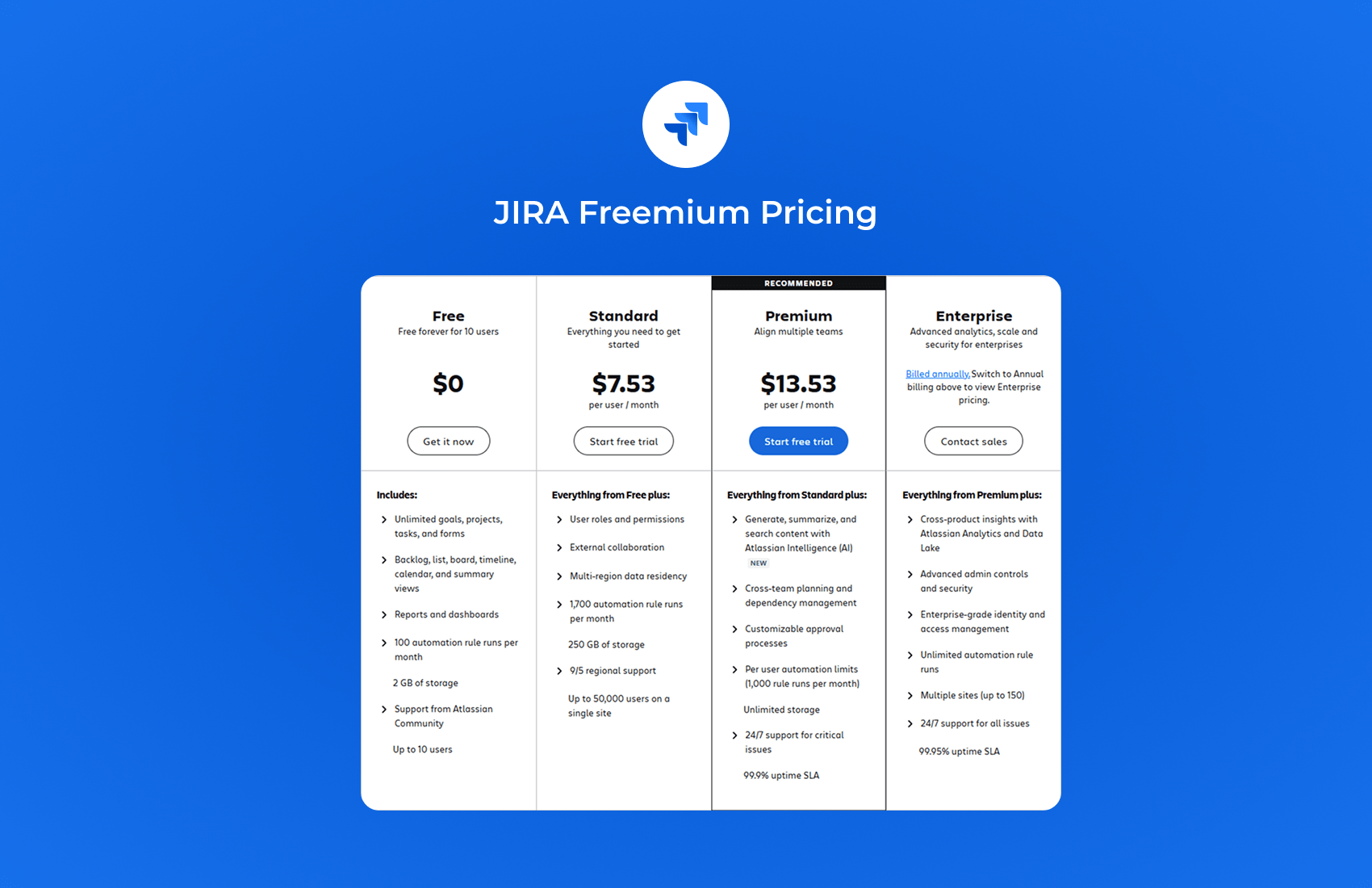
Benefits of a Hybrid Approach
Hybrid models cater to diverse customer needs, offering flexibility for smaller clients and predictability for larger enterprises. They also enable businesses to experiment and adapt based on market response.
5. ONE-TIME PAYMENT MODELS
Customers pay a single upfront fee to acquire permanent software access through the one-time payment model. Software as a Service implementation using this payment model functions best for applications not needing regular updates or subscription-based services. Users once owned software like Photoshop or Microsoft Office indefinitely after making one single upfront payment under previous desktop payment models.
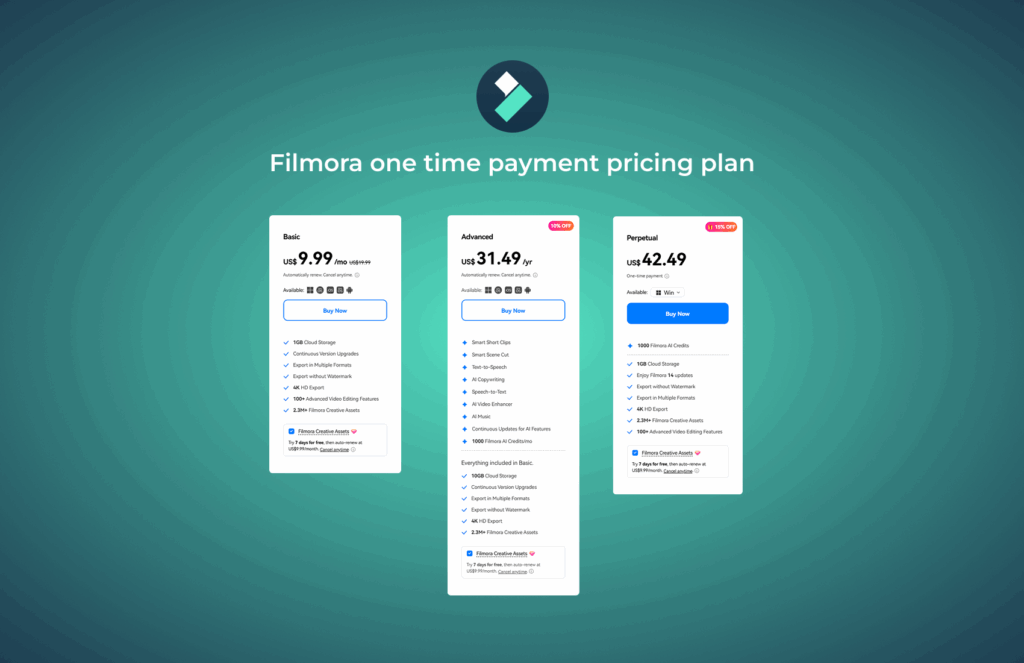
The one-time payment model provides businesses with a single predictable cash influx and eases their subscription management tasks. When businesses follow one-time payment models they face reduced potential growth because their profits stem from single initial transactions rather than subscription payments. Businesses operating in competitive markets often face barriers when customers must initiate substantial initial outlays to acquire software.
Today’s modern Software as a Service primarily opts for subscription models due to recurring revenue yet one-time payment methods remain suitable for particular software solutions or basic customer needs.
Advanced Insights into SaaS Pricing Models
Leveraging Behavioral Economics
- Anchoring Effect: Positioning a high-priced plan alongside lower-priced options can make mid-tier plans appear more attractive.
- Loss Aversion: Highlight what customers stand to lose by not upgrading, such as time savings, exclusive features, or competitive advantages.
Geographic and Industry Customization
- Localized Pricing: Adjust pricing for different regions based on purchasing power. This strategy can unlock emerging markets while maintaining profitability.
- Industry-Specific Pricing: The plans should include specialized features which meet specific requirements within individual industries such as healthcare security needs and financial industry compliance requirements.
Pro Tips for Implementing SaaS Pricing
- Use Data Wisely: SaaS professional services can help analyze usage patterns and customer feedback to refine pricing.
- Test, Test, Test: Run A/B tests to find what resonates with your audience.
- Communicate Clearly: Confusion kills conversions. Ensure customers understand the value of each plan.
- Stay Agile: The market evolves, and so should your pricing.
Common Pitfalls in SaaS Pricing Models
- Overcomplicating Pricing: Confusing tier structures or hidden fees erode customer trust.
- Undervaluing Your Product: Low pricing may undermine perceived value and limit growth potential.
- Ignoring Churn: High churn rates indicate misaligned pricing or value delivery.
Conclusion
Creating a value-delivering model for businesses requires reconciling market trends alongside customer requirements as well as profitability objectives. Whether you opt for subscription, Pay-As-You-Go, freemium, or a hybrid model, the goal remains the same: delivering value while driving growth. Your business can build effective pricing structures that benefit you and your customers when you combine audience awareness with adaptive methodologies to leverage operational data.
When businesses apply behavioural economics principles with localized pricing applications and industry-relevant customization they can develop new pricing models. Experts in SaaS professional services help organizations deploy and optimize their models so that systems maintain scalability while delivering long-term success. Your ultimate objective should focus on establishing mutually beneficial relationships which sustain enduring business success.

 By
By
 By
By