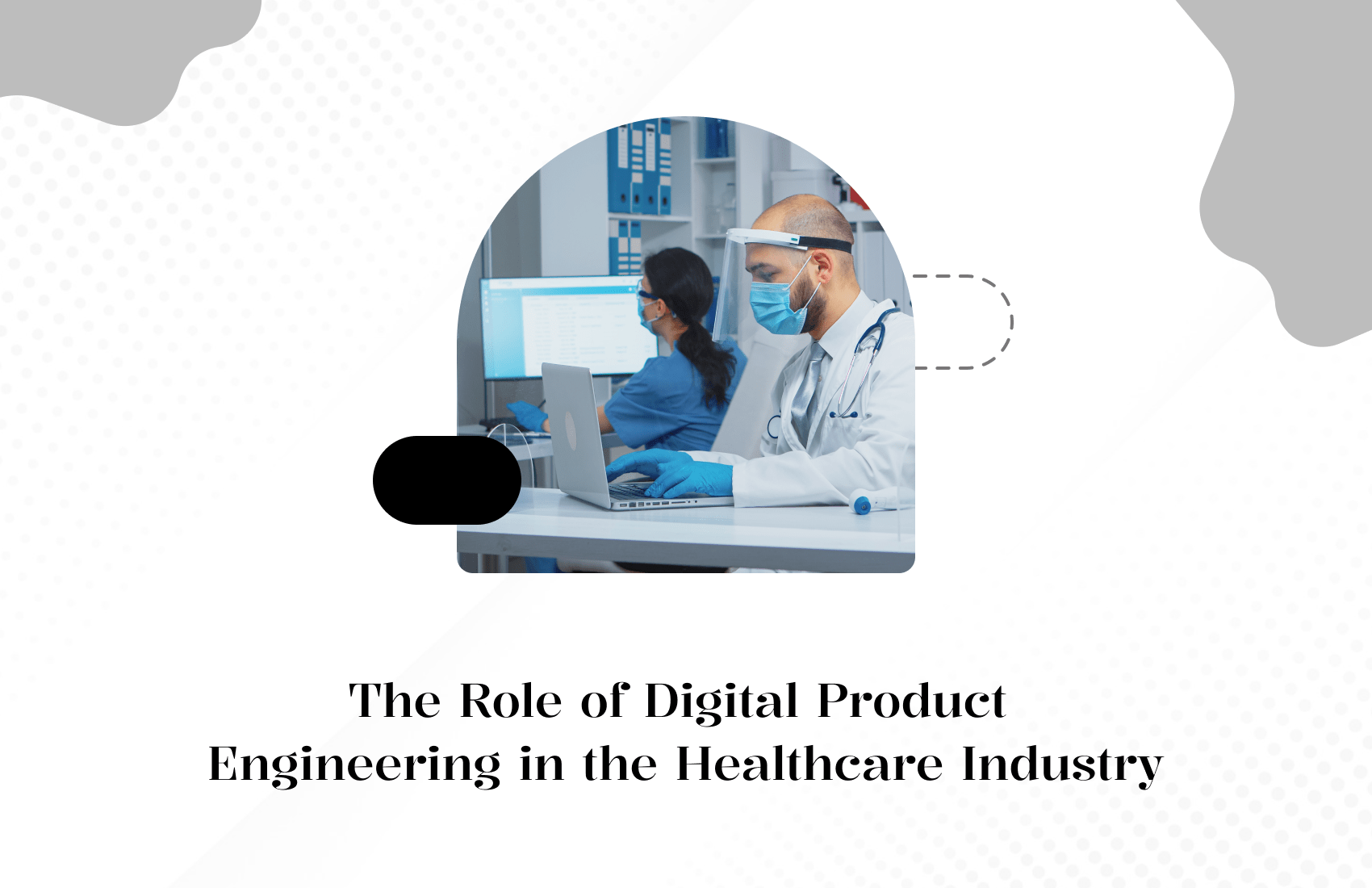

In today’s fast-changing tech landscape, digital product engineering (DPE) plays a vital role across many industries. The healthcare sector, in particular, has seen major transformations. It now uses digital products to improve patient outcomes, boost operational efficiency, and enhance the overall healthcare experience.
In this blog, we will explore the vital role of digital product engineering in reshaping healthcare.
Driving Innovation in Healthcare Delivery
One of the most significant impacts of digital product engineering is its ability to revolutionize healthcare delivery. DPE enables healthcare providers to develop cutting-edge solutions that enhance diagnostics, treatment, and patient monitoring. Examples include:
- Telemedicine Platforms: Telehealth services have become mainstream, especially after the COVID-19 pandemic. Digital product engineering has made this possible. It enables healthcare providers to build secure and scalable telemedicine platforms. These platforms support remote consultations, diagnostics, and follow-up care.
- Wearable Devices: DPE has played a key role in developing advanced wearable health devices. These devices can track vital signs in real-time. Examples include heart rate monitors and glucose sensors.
- AI in Diagnostics: The integration of artificial intelligence (AI) into healthcare products has drastically improved diagnostic accuracy. AI-powered imaging tools, for instance, can detect diseases such as cancer at early stages with remarkable precision, facilitating timely intervention.
Enhancing Patient-Centered Care
Digital product engineering focuses on designing and building healthcare products. These products prioritize the patient experience. This leads to a more personalized and patient-centered approach to care. As a result, patients receive solutions tailored to their individual needs. This includes:
- Patient Portals and Health Apps: These platforms empower patients by giving them direct access to their medical records, test results, and treatment plans. Patients can communicate with healthcare providers, manage appointments, and receive reminders about medication or follow-ups.
- Mobile Health Applications: DPE enables the development of mobile apps that support patients in managing chronic conditions. These include diabetes, hypertension, and asthma. These apps often feature real-time alerts, educational resources, and data analytics to help patients track their health metrics.
- Remote Monitoring Solutions: Digital solutions that track patient health outside the hospital setting allow for more proactive care management. Patients with chronic illnesses can use these tools to stay connected to their healthcare providers, reducing the need for frequent hospital visits.
Improving Operational Efficiency
In addition to improving patient care, digital product engineering helps streamline and optimize healthcare operations. This leads to reduced costs, increased efficiency, and improved resource management. Some ways DPE contributes to operational efficiency include:
- Hospital Management Systems: DPE has enabled the development of sophisticated hospital management systems that streamline administrative tasks such as patient admission, billing, and scheduling. These systems allow for better resource allocation and reduce errors associated with manual data entry.
- Supply Chain Optimization: Efficient supply chain management is critical in healthcare, particularly for managing inventory such as medications and medical equipment. Digital tools developed through DPE help healthcare providers predict demand, track inventory levels in real-time, and manage suppliers more effectively.
- Data Analytics for Predictive Healthcare: DPE allows healthcare organizations to harness the power of big data. Predictive analytics can anticipate patient needs, identify population health trends, and improve decision-making for resource allocation.
Ensuring Regulatory Compliance and Data Security
The healthcare industry operates under strict regulatory requirements such as the Health Insurance Portability and Accountability Act (HIPAA) and the General Data Protection Regulation (GDPR). Digital product engineering plays a critical role in ensuring that digital healthcare products adhere to these regulatory frameworks.
- Security by Design: DPE incorporates security best practices from the earliest stages of product development. This includes ensuring data encryption, implementing secure authentication mechanisms, and conducting regular security audits to protect sensitive patient data.
- Compliance Automation: Automated solutions can be designed to constantly monitor healthcare systems for compliance, reducing the risk of human error and ensuring that organizations meet regulatory requirements at all times.
Facilitating Interoperability
Interoperability—the ability for different healthcare systems and technologies to exchange, interpret, and use data effectively—remains a significant challenge in the healthcare sector. Digital product engineering addresses this by:
- Integrating Electronic Health Records (EHR): DPE has helped develop platforms that support seamless integration of electronic health records (EHRs). These platforms enable secure sharing across different healthcare providers and systems. As a result, collaboration and continuity of care have improved.
- Developing APIs for Data Exchange: By creating robust APIs, healthcare organizations can exchange data more efficiently between internal systems, as well as with external partners, including insurance companies and other healthcare providers.
Ending Note–Digital Product Engineering
Digital product engineering is transforming the healthcare industry. It helps improve patient care and boosts operational efficiency. It also enhances data security and supports regulatory compliance. DPE is driving innovation that will shape the future of healthcare. As the sector evolves, digital product engineering will stay at the forefront. It will help providers deliver more accessible, effective, and patient-centered care.
In an industry where innovation can be a matter of life and death, digital product engineering provides the tools to improve outcomes, reduce costs, and ultimately, save lives. The integration of technology into healthcare has only just begun, and the possibilities for future advancements are limitless.

 By
By
 By
By