
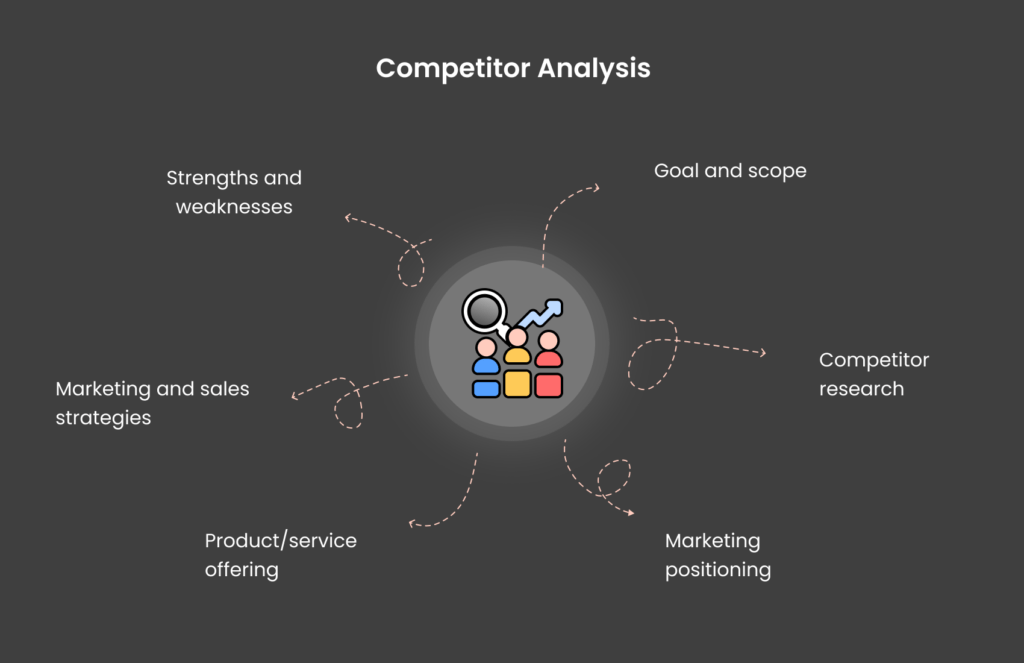
Strong competition in software as a service solution makes it difficult to remain at the forefront of the industry. So, how do you ensure your brand stands out? You need to study how your competitors market their products to succeed in this competitive market. Services like analytical tools help us observe their methods legally and ethically. Studying how others market their SaaS products helps you spot weak spots while improving your own promotion strategies. The goal should be to understand competitor methods so you can implement them in your own improved way.
Ready to dive in and take your software as a service solution to the next level?
Start by Knowing Your Competitors
To start with, it’s important to understand who you are competing against. Your competitors exist beyond direct product sales as they include all businesses targeting the same customer base and offering similar solutions. Your competition includes powerful product engineering companies across different stages of growth, plus other businesses that serve limited aspects of the customer requirements. Start with these steps:
- Search Your Keywords: Type in the terms your target audience might search for. See which companies show up at the top.
- Use Tools: Platforms like SEMrush, SimilarWeb, or SpyFu can help you spot your biggest competitors.
- Ask Your Customers: Sometimes your customers will tell you exactly who else they considered before choosing you.
Once you’ve got your list, focus on those companies that target the same audience and solve similar problems.
Take a Deep Dive Into Their Website
The website of your competitors reveals essential business information and shows you exactly how they present their brand to the market. You gain direct access to their marketing approach through website analysis. They display their advantages and customer problems while showing what sets them apart. What can you learn by browsing through it? A lot.
- What Are They Saying? Look at their headlines and descriptions. How do they explain their product? What pain points are they solving?
- How’s the User Experience? Check out their navigation, visuals, and calls-to-action. Is it smooth and engaging?
- What Content Are They Sharing? Do they have a blog or resource section? Look through BuzzSumo reports to discover which content types receive the highest engagement from their audience.
And here’s a cool trick: BuiltWith examines the web development tools that power their website. Their success foundation is revealed through their use of analytics platforms, chatbots, and A/B testing applications. You can gain website strategy from these findings to build better content while competing better in digital product engineering.
Follow Them on Social Media
Social media serves as more than promotion by letting brands show their true identity and build relationships with customers. You can learn about competitor behavior and brand identity by monitoring their activities on LinkedIn, Instagram, and Twitter. Social media content reveals their business standards and marketing plans.
- What They Post: Are they sharing tips, promoting features, or celebrating wins? Notice the tone they’re using.
- How Often They Post: Is their posting frequency consistent? Are they active daily, weekly, or only during big announcements?
- How Their Audience Responds: Look at how many people like, share, and comment on their content. Is their audience engaged and excited? Do they receive questions or feedback?
Want to go further? Check out the Facebook Ad Library. It’s a free tool that shows you all the ads they’re running.
Sign Up for Their Emails
If your competitors have an email newsletter, sign up. It’s like getting a sneak peek into how they communicate with their customers. Pay attention to:
- How They Onboard: What does their first email say? Do they offer a free resource or guide?
- How Often They Email: Are they bombarding subscribers or sending just the right amount?
- What They Promote: Look at the products, offers, or updates they highlight.
Tools like Mailcharts can help you track and compare email campaigns.
Check Out Their Ads
Ads reveal what drives your competitors’ business goals. Ads help you understand where competitors invest their budget while revealing their strategy for customer attraction. Brand ads provide the clearest picture of company goals because they show exactly how brands present their brand and marketing approach.
- Google Ads: Check Ahrefs or SEMrush to find their targeted keywords. Are they focusing on high-intent search terms or broad, awareness-focused phrases?
- Retargeting Campaigns: Check their website, then see if you start seeing their ads everywhere online. By analyzing retargeting, you can understand their methods of reconnecting with previous website visitors and maintaining brand exposure.
- Display Ads: Adbeat lets you examine their display ad performance to find their effective marketing approaches. What visuals and headlines are they using? Are they experimenting with specific formats or placements? Research provides both traffic pattern insights and shows you which marketing approaches these businesses use successfully. It offers both guidance and educational content for study.
Analyze Their Content
Content is at the heart of most software as a service solution marketing strategies. Here’s how to study theirs:
- Blogs: What topics are they writing about? Are they solving specific problems or sharing thought leadership?
- Videos: Look for tutorials, demos, or webinars on YouTube. Video can be a goldmine for engaging potential customers.
- Ebooks and Guides: These resources are often designed to capture leads. Download one and see how they’re structured.
BuzzSumo can help you track which of your content gets the most shares and views.
Don’t Forget About SEO
Good SEO is the foundation of any solid software as a service solution marketing plan. To analyze your competitors’ SEO strategies:
- Keywords: What are the top keywords bringing traffic to their site? Use tools like Ubersuggest or Ahrefs to find out.
- Backlinks: Who’s linking to their site? This can give you ideas for your own outreach.
- On-Page SEO: Look at their meta descriptions, headings, and image optimization.
SEO insights can help you find gaps in their strategy and opportunities to rank higher.
Study Their Pricing
Pricing can make or break a sale, so it’s worth digging into how your competitors structure theirs:
- Plans and Tiers: Do they offer multiple pricing levels? What’s included in each?
- Free Trials or Freemium: How do they handle onboarding for free users?
- Discounts or Promotions: Are they offering discounts for annual plans or limited-time deals?
Sign up for a free trial if they offer one. This gives you firsthand experience of what their customers see.
Listen to Their Customers
By monitoring customer feedback your competitors receive, you discover their product highs and lows, and these insights guide better development for your software as a service solution. Updated reviews through online conversations help businesses discover genuine customer requirements. When you focus on competitors, you gain valuable insights that improve your ability to serve your customers effectively.
- What People Love: Search for positive feedback about product features, user-friendliness, and help support service.
- What People Hate: Identify patterns in complaints or frustrations. You can capitalize on these problems to offer better solutions.
- What They’re Asking For: Feedback shows what customers desire from products, but industry leaders ignore it.
Access open discussions on Reddit and Quora to learn about how people talk about your competitors. Learning how customers think is essential when you aim to attract their business.

Look at Partnerships and Affiliates
Companies build success by using business partnerships and affiliate programs to grow their customer base and boost their reputation. They expand their growth by finding trusted partners who help them gain new markets and establish mutual success as the reward. Analysis of partnership deals shows how competitors achieve their growth targets through sponsored activities and team connections. You can understand untapped growth potential by studying their business partnerships and learn ways to develop your professional network.
- Who They Partner With: Are they teaming up with other software companies, influencers, or agencies?
- Affiliate Programs: Who’s promoting their product, and how are they doing it?
- Co-Marketing Campaigns: Look for joint webinars, ebooks, or sponsorships.
Examining software as a service solution partnerships shows you which alliances and methods you can apply to boost your business growth and establish your position among leading product engineering companies.
Use Tools to Make It Easier
Competitor analysis doesn’t have to be overwhelming. There are plenty of tools to help:
- SEMrush: For traffic, keywords, and backlinks.
- SpyFu: For PPC and SEO insights.
- SimilarWeb: For website traffic and audience demographics.
- Crayon: For tracking updates to competitors’ online presence.
These tools save time and provide actionable insights.
Stay Ethical
Analyzing your competitors doesn’t mean copying them. Stick to these ethical guidelines:
- No Deception: Don’t pretend to be a customer just to get insider information.
- Use Public Data: Focus on what’s freely available.
- Be Original: Use what you learn to inspire new ideas, not replicate their work.
Playing fair keeps your reputation intact and ensures long-term success.
Take Action
All the analysis in the world won’t matter if you don’t act on it. Use what you’ve learned to:
- Improve your messaging and content.
- Optimize your campaigns and pricing.
- Stand out by solving problems your competitors don’t.
Final Thoughts
You learn from your competitors by staying updated rather than copying their practices. Think of it as piecing together a puzzle. Every element you study about them from their online presence and marketing materials adds to your understanding of their business operations. Knowledge of competitors’ unique practices helps you create a distinct market presence. You should transform their practices into superior solutions that appeal to your intended audience. So, what’s your next move? Are you ready to take these insights and turn them into action? Make yourself the leader who drives change instead of following what others do.

 By
By
 By
By