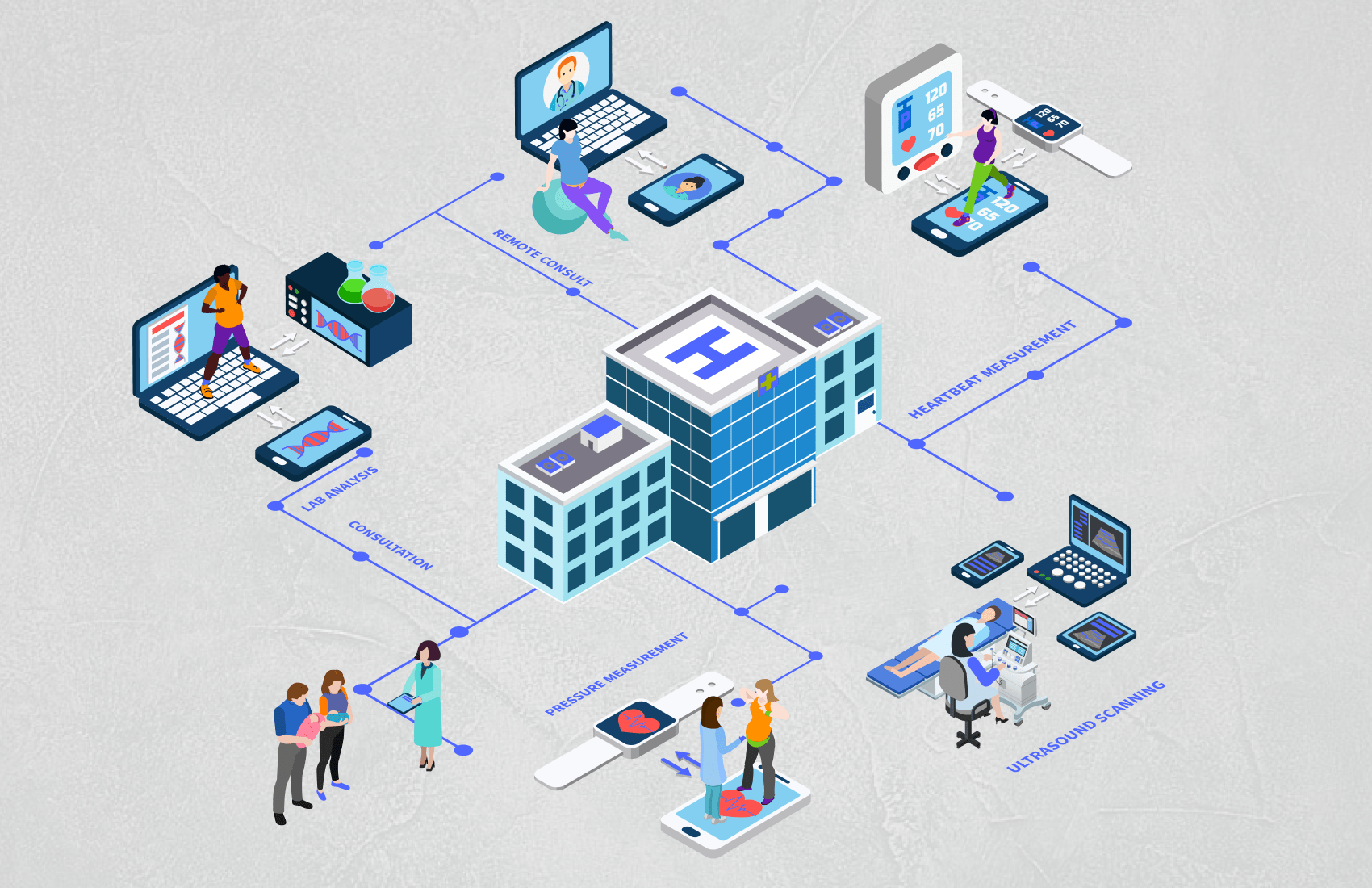

In healthcare, where every second counts, technology must be more than just cutting-edge—it needs to be seamless, secure, and scalable. It’s not just about building advanced platforms, but about understanding the intricate needs of an industry where lives depend on precision. The real innovation lies in delivering solutions that work for everyone—from clinicians and patients to administrators—ensuring better care and driving lasting impact.
The Heartbeat of Healthcare: Where Technology Meets Urgency
Picture this: A doctor is rushing to treat a critical patient in the ER. The clock is ticking, and every second matters. But when they try to pull up the patient’s records, the platform is clunky, requiring multiple steps to access essential information. Those precious seconds lost could be the difference between life and death.
This scenario represents one of the many challenges healthcare platforms face today. It’s a reminder of how crucial it is to eliminate barriers and give healthcare professionals the tools they need, when they need them. But this is just one of the hurdles. Let’s dive into some of the other key challenges in healthcare platform development and how to overcome them.
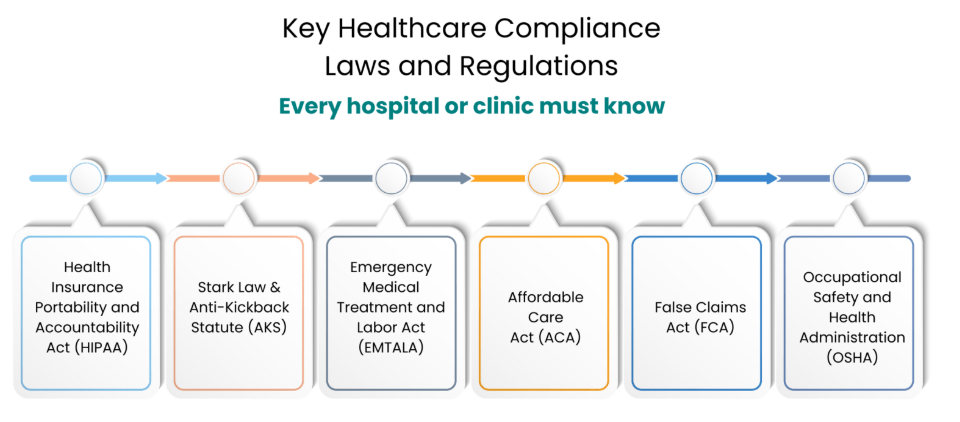
- Compliance and Regulation: A Moving Target
In healthcare, platforms must comply with regulations like HIPAA, GDPR, and others, depending on the region. Navigating this landscape is tricky, especially when rules change or vary across borders. How do you build a system that adapts without compromising data security?
Solution: The answer lies in integrating compliance into the platform’s foundation. This requires working with legal and regulatory experts early in development and continuously monitoring updates. Compliance shouldn’t be an afterthought; it must be a core part of the architecture. In our ER scenario, the system should not only ensure fast access to patient records but also safeguard sensitive data at every step. In healthcare, security and privacy aren’t optional—they’re vital.
- Security: Safeguarding Lives, Not Just Data
Healthcare data is a prime target for cyberattacks, and breaches or ransomware attacks can have devastating consequences—not just for data integrity, but for patient safety. A breach of patient records could disrupt care, and in some cases, even put lives at risk.
Solution: Implementing encryption, multi-factor authentication, and continuous monitoring helps safeguard against threats. But security can’t be so cumbersome that it slows down access to critical data. In the ER example, while it’s crucial to protect sensitive information, the system must still allow the doctor to quickly and securely retrieve the patient’s records. A well-balanced security strategy doesn’t sacrifice speed for safety.
- User Experience: The Human Factor
Even the most secure and compliant system won’t work if the users—doctors, nurses, and administrators—find it difficult to navigate. Healthcare professionals need to focus on patient care, not on fighting with technology.
Solution: The user experience (UX) must prioritize simplicity and speed. Testing the platform in realworld environments, collecting user feedback, and constantly iterating based on clinician input ensures that the system remains intuitive. In the context of the ER example, an intuitive platform could save those crucial seconds, allowing doctors to access patient records with minimal friction.
- Integration: Connecting the Dots
Healthcare platforms often need to connect with a variety of other systems, from patient records to billing to diagnostics. The problem? Many legacy systems weren’t built with integration in mind, creating gaps that slow down operations.
Solution: Developing APIs and ensuring interoperability can bridge these gaps. Seamless communication between different systems is key to a successful platform. Imagine if our ER doctor had to switch between multiple systems to gather patient data, billing info, and diagnostic results. The fragmented process would waste valuable time. A fully integrated platform brings all this information together in one place, enhancing care coordination.
- Scalability: Growing Without Breaking
As hospitals and clinics expand, their digital systems must keep pace. A platform that works for a small clinic might struggle to handle the demands of a large hospital network. It’s not just about adding users, but about ensuring the system can manage large amounts of data and complex workflows without slowing down.
Solution: Scalability should be baked into the platform from the start. Using cloud-based solutions, modular architecture, and regular performance testing helps ensure the platform can grow without compromising speed or functionality. In a busy hospital, multiple departments might need to access the same patient’s records simultaneously. A scalable platform ensures that, no matter the load, the system remains reliable and responsive.
Moving Forward: Building the Future of Healthcare
Developing healthcare platforms comes with its fair share of challenges, but every obstacle has a solution. By focusing on compliance, security, user experience, integration, and scalability, we can build solutions that are not only technically sound but that truly meet the needs of healthcare providers and patients alike.
The platforms we develop today must be designed to reduce friction, enhance care, and drive meaningful outcomes. In healthcare, technology isn’t just a tool—it’s a lifeline. Through product engineering services in health care, we ensure that our platforms are as seamless and adaptable as the care providers who use them. This empowers healthcare professionals to focus on what truly matters: saving lives.

 By
By
 By
By